Installation Guide

Follow these detailed steps to securely install your hanging planters

Preparation Phase

Before you begin installing your hanging planter, proper preparation ensures a smooth and safe installation process. Start by selecting the ideal location that provides appropriate light conditions for your chosen plants.

Measure the space carefully to determine the optimal hanging height. Consider factors such as ceiling height, furniture placement, and visual balance within the room. Mark your desired hanging point with a pencil or removable marker.
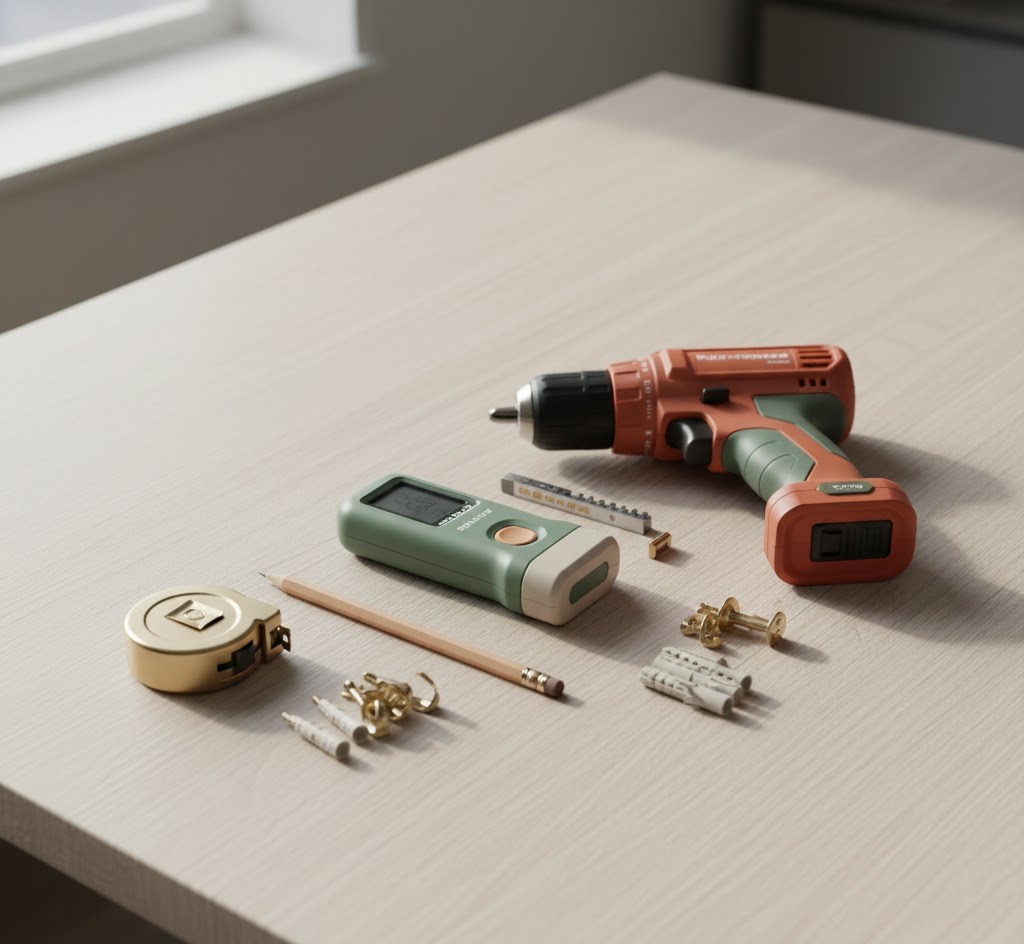
Preparation tools and materials

Step-by-Step Installation

  1. Locate Support Structure

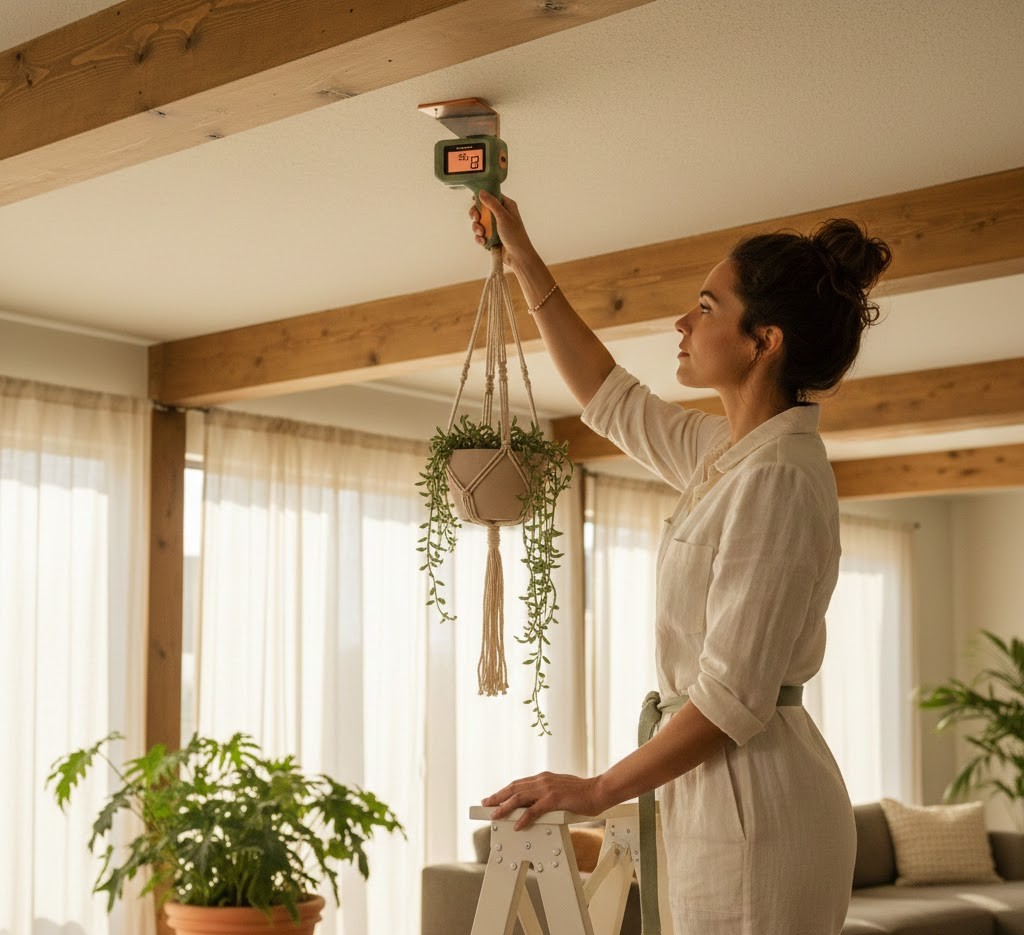
    Use a stud finder to locate ceiling joists or wall studs. For ceiling installations, joists typically run 16 or 24 inches apart. Mark the center of the joist or stud clearly.

    Finding ceiling joists
  2. Drill Pilot Holes

    Select an appropriate drill bit slightly smaller than your mounting hardware. Drill a pilot hole into the center of the joist or stud. Ensure the hole is straight and perpendicular to the surface.

  3. Install Mounting Hardware

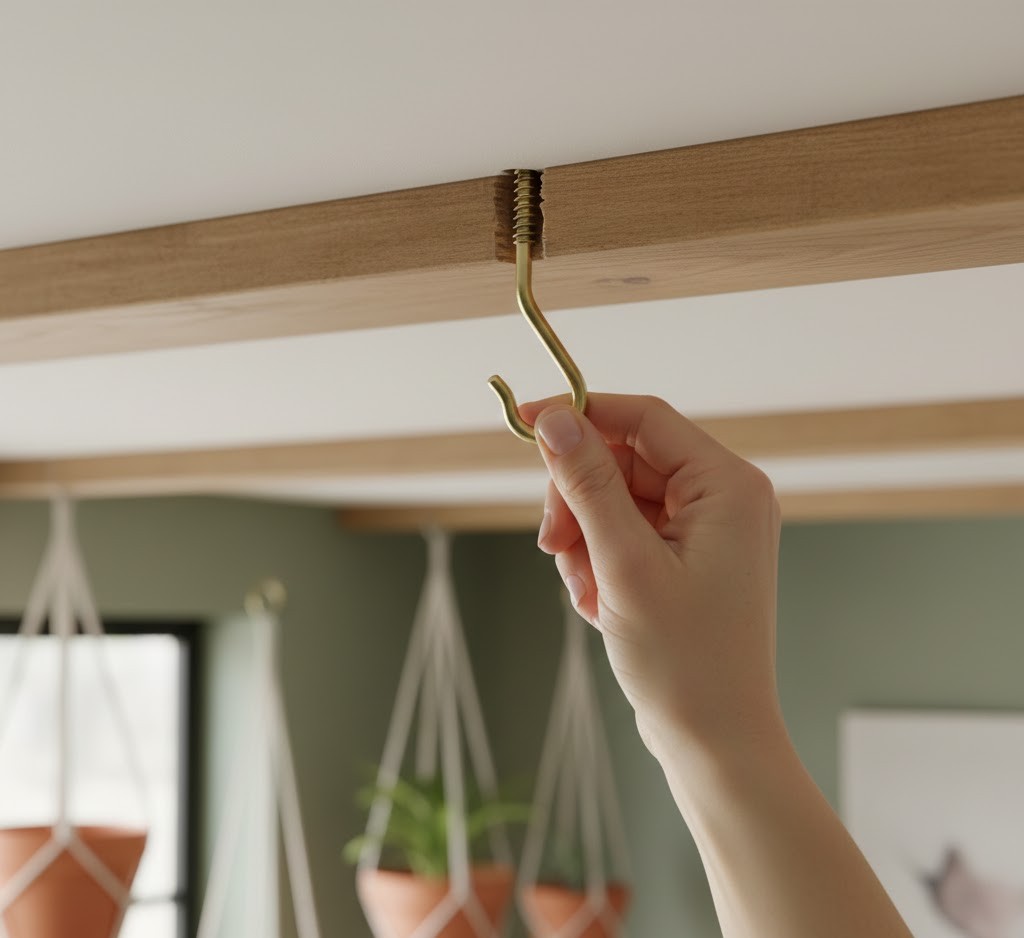
    Insert your chosen hook or anchor into the pilot hole. For heavy planters, use screw hooks that thread directly into wood. For drywall installations, use appropriate toggle bolts or anchors rated for your planter's weight.

    Installing ceiling hook
  4. Test Weight Capacity

    Before hanging your planter, test the installation by gradually adding weight. Start with an empty planter, then add soil, and finally the plant. This ensures the mounting can handle the full weight safely.

  5. Attach Hanging Mechanism

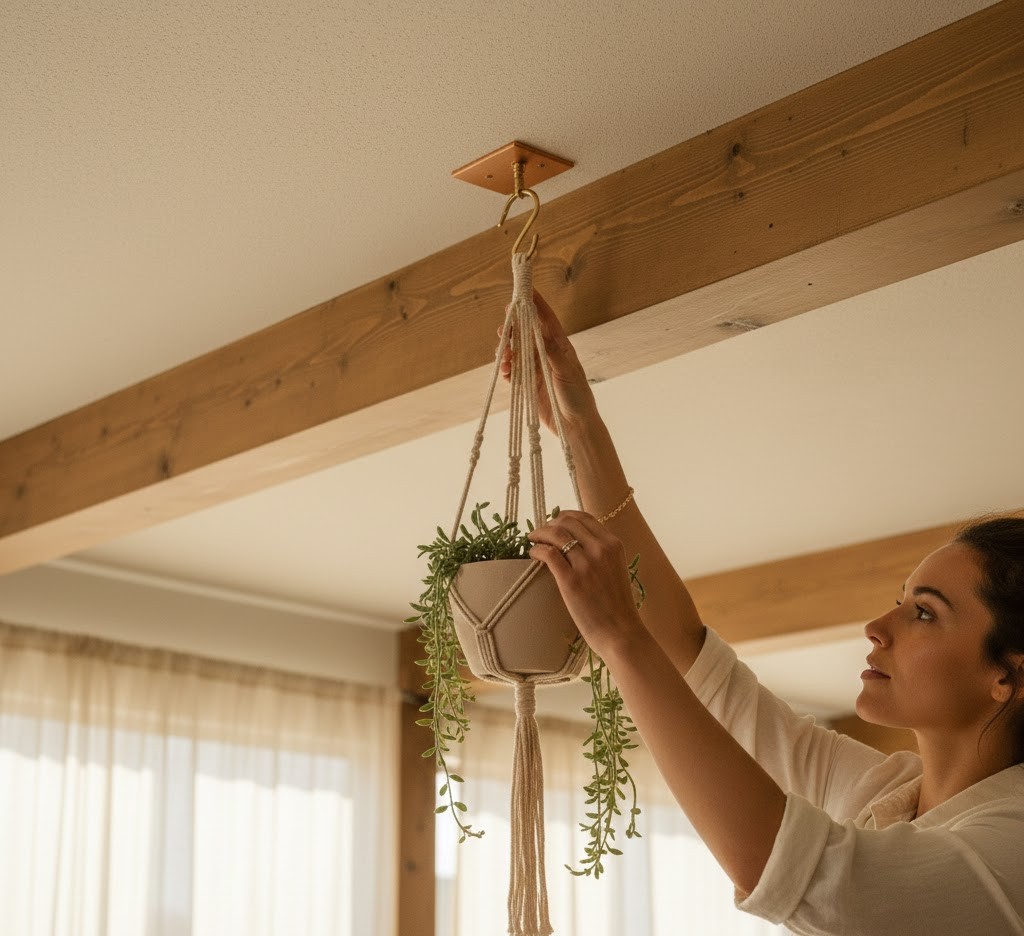
    Connect your planter's hanging mechanism to the installed hook. This might be a chain, rope, macrame hanger, or metal bracket. Ensure all connections are secure and properly balanced.

    Attaching planter to hook
  6. Final Adjustments

    Adjust the hanging height to your preference, ensuring the planter is level. Check that there's adequate clearance from walls, furniture, and other objects. Verify the plant receives appropriate lighting.

Alternative Installation Methods

Tension Rod Installation

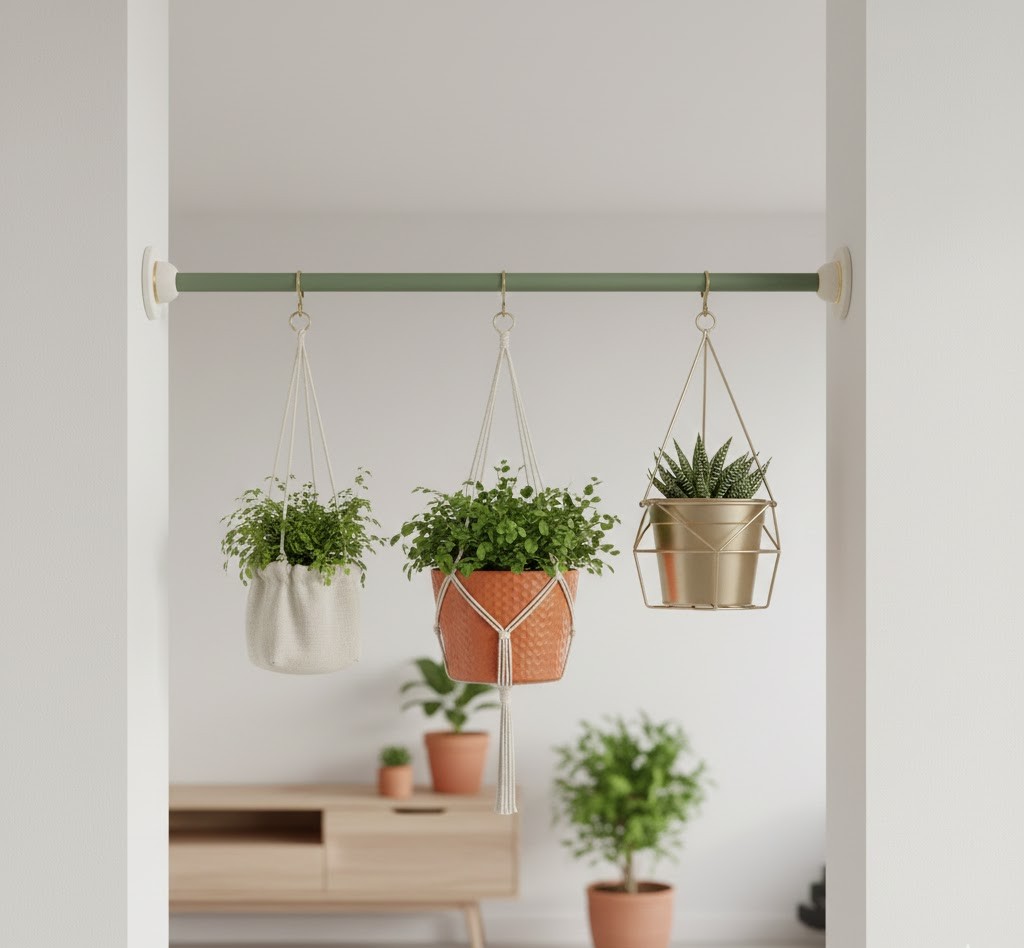
For renters or those who prefer not to drill, tension rods offer a temporary solution. Measure the width between two walls, select an appropriate rod, and extend it securely. Hang lightweight planters using S-hooks or adjustable hangers.

Tension rod setup

Wall Bracket Mounting

Decorative wall brackets provide both function and style. Install brackets into wall studs using appropriate screws. These work well for lighter arrangements and can be positioned at various heights for visual interest.

Troubleshooting Common Issues

Uneven Hanging

If your planter hangs unevenly, check that the hook is properly centered and the hanging mechanism is balanced. Adjust chain or rope lengths on each side to achieve level positioning.

Insufficient Support

If you notice sagging or movement, the mounting may not be adequate for the weight. Consider relocating to a stronger support point or upgrading to heavier-duty hardware.

Water Damage Prevention

Place a saucer or tray beneath hanging planters to catch excess water. Consider using planters with built-in drainage systems or self-watering features to minimize maintenance.

Need Additional Help?

Our team is here to assist with your installation questions and provide personalized guidance.

Contact Us

Privacy & Cookies

We use cookies to enhance your browsing experience and analyze site traffic. By clicking "Accept", you consent to our use of cookies. You can decline if you prefer.